
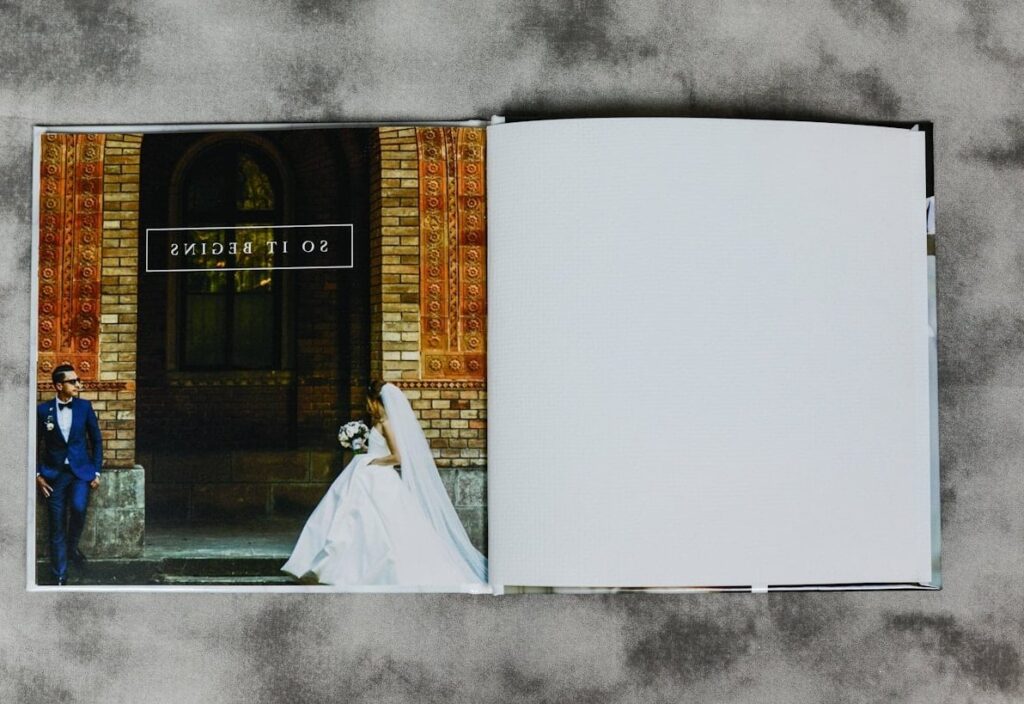
Your wedding day will fly by in a blur of hugs, happy tears, and champagne toasts. The single biggest difference between a relaxed, beautifully photographed day and a chaotic one isn’t your venue or your dress, it’s your wedding day photography timeline. A well-built schedule protects your golden hour portraits, gives your family formals room to breathe, and makes sure no moment is rushed.
In this guide, we break down exactly how to structure your day hour-by-hour, with two full sample timelines (one with a first look, one without) and tips for syncing your photographer with the rest of your vendor team.
Why a Photography Timeline Matters More Than You Think
Couples often hand their photographer a generic schedule built around the ceremony and reception, then wonder why portraits feel rushed. The truth is, the day should be built around the light, not the other way around. Here’s what a strong timeline does for you:
- Aligns portraits with the best natural light of the day
- Builds in buffer time for hair, makeup, and transportation delays
- Prevents the dreaded “we never got a photo together” regret
- Keeps your wedding party and family relaxed and on schedule
- Gives your photographer time to capture detail shots and candids

Start With Sunset, Then Work Backwards
The first thing professional planners do is look up the sunset time for your wedding date and location. Golden hour typically falls in the 60 to 90 minutes before sunset, and that’s when you want your couple portraits scheduled.
For a wedding in mid-summer 2026 with a 8:45 PM sunset, your dreamiest portrait window is roughly 7:15 to 8:30 PM. For an October 2026 wedding with a 6:30 PM sunset, that window shifts much earlier, around 5:00 to 6:15 PM. Always check your specific date.
How Long Each Part of the Day Actually Takes
Most couples underestimate how much time photography needs. Here’s the industry standard, used by professional wedding photographers worldwide:
| Photography Segment | Recommended Time |
|---|---|
| Getting ready (bride) | 60 to 90 minutes |
| Getting ready (groom) | 30 to 45 minutes |
| Detail shots (dress, rings, invites) | 30 minutes |
| First look | 20 to 30 minutes |
| Couple portraits | 45 to 60 minutes |
| Wedding party portraits | 30 minutes |
| Family formals | 30 to 45 minutes |
| Ceremony | 30 minutes (varies by tradition) |
| Reception coverage | 3 to 4 hours |

Sample Timeline 1: With a First Look (8 Hours of Coverage)
A first look lets you and your partner see each other privately before the ceremony. This is the photographer-recommended option because it gets the bulk of portraits done early, leaves you free to enjoy cocktail hour, and gives you a second golden hour portrait session.
Sample Schedule (5:00 PM Ceremony, 8:45 PM Sunset)
- 1:00 PM Photographer arrives, captures dress, rings, shoes, invitation suite
- 1:30 PM Bride finishing hair and makeup, candid getting-ready shots
- 2:00 PM Groom getting ready coverage
- 2:30 PM Bride puts on dress, portraits with parents and bridesmaids
- 3:00 PM First look and private vow reading
- 3:20 PM Couple portraits (round one)
- 3:50 PM Full wedding party portraits
- 4:20 PM Family formals
- 4:45 PM Wedding party hidden, guests arrive
- 5:00 PM Ceremony
- 5:30 PM Cocktail hour, you join your guests
- 6:30 PM Reception entrance, dinner, toasts
- 7:45 PM Sneak away for 15 minutes of golden hour portraits
- 8:30 PM First dances
- 9:00 PM Open dancing, photographer wraps
Sample Timeline 2: No First Look (8 Hours of Coverage)
Some couples want the traditional aisle reveal moment, and that’s completely valid. The trade-off is that almost all portraits must happen during cocktail hour, which is a tight window. Here’s how to make it work.
Sample Schedule (4:00 PM Ceremony, 8:45 PM Sunset)
- 12:30 PM Photographer arrives, detail shots
- 1:00 PM Bride getting ready
- 1:45 PM Groom getting ready (second shooter if possible)
- 2:15 PM Bride in dress, solo portraits and shots with bridal party
- 2:45 PM Groom portraits with groomsmen
- 3:15 PM Travel to ceremony, hide bride
- 4:00 PM Ceremony
- 4:30 PM Family formals (immediate family only, 20 minutes)
- 4:50 PM Wedding party portraits
- 5:20 PM Couple portraits
- 6:00 PM Reception entrance and dinner
- 7:45 PM Golden hour sunset portraits (10 to 15 minutes)
- 8:15 PM First dances and party
- 8:30 PM Photographer wraps
Pro Tips to Keep Your Timeline on Track
1. Pad Every Segment by 10 Minutes
Hair runs long. The boutonnieres are missing. Uncle Mark is in the bathroom. Build buffer time into every transition so a single delay doesn’t cascade through the day.
2. Trim Your Family Formal List
Family formals are the number one cause of timeline delays. Send your photographer a numbered shot list of 10 to 15 groupings maximum, with names. Anything beyond grandparents and immediate family can happen informally at the reception.
3. Communicate Travel Times Honestly
If your ceremony and reception are 20 minutes apart, your photographer needs to know. Factor in traffic, parking, and the time it takes to wrangle a wedding party into cars.
4. Sync With Your Other Vendors
Share your final timeline with your hair and makeup team, planner, florist, and venue coordinator at least two weeks before the wedding. Hair and makeup running late is the most common reason wedding photography timelines fall apart.
5. Build in a “You” Moment
Schedule 10 quiet minutes alone with your partner right after the ceremony or before dinner. Some of the most emotional photos happen in these unguarded moments.
4-Hour vs 8-Hour vs 10-Hour Coverage: What You Actually Need
| Coverage | Best For | What You Miss |
|---|---|---|
| 4 hours | Elopements, micro-weddings | Getting ready, late reception |
| 6 hours | Small weddings with first look | Open dancing, send-off |
| 8 hours | Most full-day weddings | Very little, the industry standard |
| 10+ hours | Multi-event or cultural weddings | Nothing, full day coverage |
Common Wedding Day Photography Timeline Mistakes
- Ignoring sunset. A 7 PM ceremony in October means you’ll have zero natural light for portraits
- Skipping the first look without adjusting. No first look means a longer cocktail hour (90 minutes minimum)
- Booking hair and makeup too late. Always finish 30 minutes before you think you need to
- Forgetting to feed your photographer. A vendor meal during dinner is essential
- Not communicating exit plans. If you want a sparkler send-off photo, the photographer must stay until then
FAQ: Wedding Day Photography Timeline
How early should my photographer arrive?
Most photographers arrive 1.5 to 2 hours before the ceremony for getting ready coverage and detail shots. If you want full bride and groom prep coverage, plan for 3 hours before the ceremony.
Do I really need a first look?
No, but if you skip it, you must accept either a shorter cocktail hour with you missing or fewer couple portraits. The first look adds about 30 to 45 minutes of stress-free portrait time to your day.
What if it rains?
A good photographer always has a backup indoor plan. Walk your venue with them ahead of time and identify two or three indoor portrait spots. Clear umbrellas also make stunning rainy-day shots.
How do I know when sunset is on my wedding date?
Use timeanddate.com or a free sunset calculator app. Plug in your venue’s exact location and date, then build your timeline around the 90 minutes before that time.
Should I have my photographer stay for the entire reception?
Not necessarily. Many couples have their photographer leave 30 to 45 minutes after open dancing begins. By then you have plenty of party photos, and a faked exit can be staged with your wedding party if you want a send-off shot.
Can my photographer help me build my timeline?
Absolutely, and they should. An experienced wedding photographer will look at your sunset time, venue, and shot list and suggest the optimal schedule. Send them a draft 6 to 8 weeks before the wedding.
Final Thoughts
A great wedding day photography timeline isn’t about rigid scheduling, it’s about protecting the moments you’ll want to remember forever. Start with sunset, build in buffers, trim your family formals list, and communicate with every vendor on your team. Do that, and you’ll spend your wedding day actually present with the people you love, not chasing the clock.
At Bridalfeel, we believe every couple deserves photos that feel as good as the day itself. Use the sample timelines above as a starting point, then customize with your photographer to make them yours.